

Blog Details

Neuroplasticity: How the Brain Relearns Movement After Injury
Recovery after neurological conditions like Stroke depends on a powerful concept called neuroplasticity.

What is Neuroplasticity?

Neuroplasticity is the brain’s ability to:

  • Reorganize itself
  • Form new neural connections
  • Adapt after injury

This is the reason why recovery is possible even after significant damage.

How Physiotherapy Uses Neuroplasticity

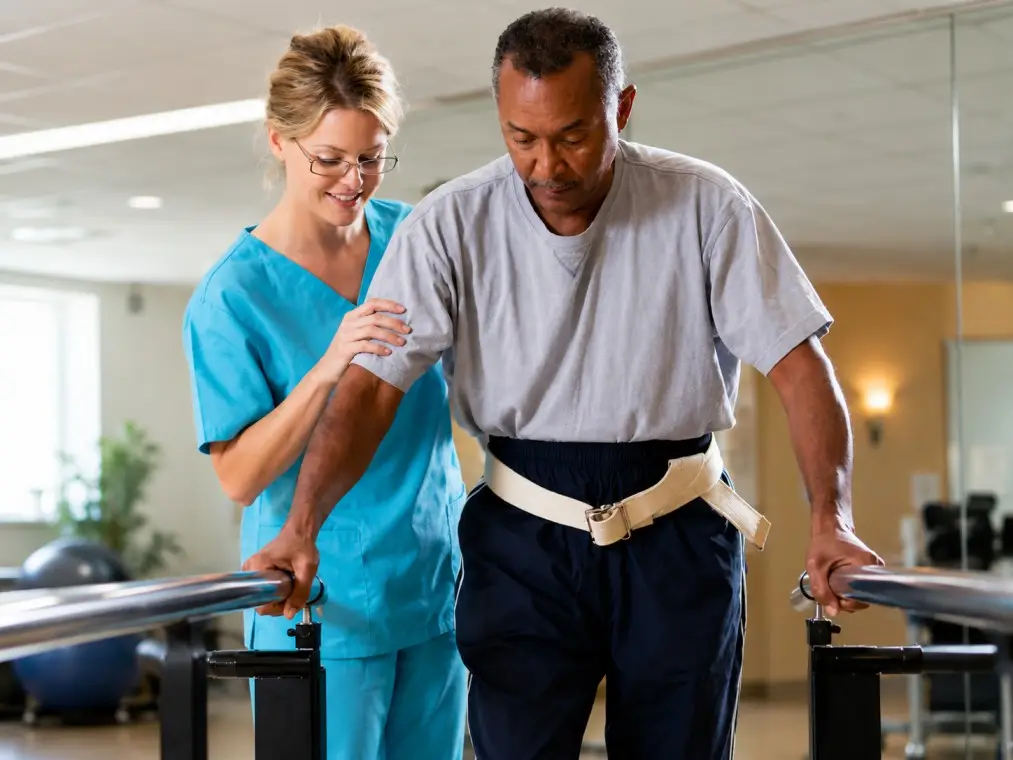
Physiotherapy promotes recovery by:

  1. Repetition of Movement
    Repeated practice helps the brain relearn lost functions.
  2. Task-Specific Training
    Practicing real-life activities improves functional recovery.
  3. Sensory Feedback
    Touch, movement, and positioning stimulate brain pathways.
  4. Gradual Progression
    Increasing complexity strengthens neural connections.

Why Consistency Matters

Irregular therapy slows progress because the brain needs continuous stimulation to adapt.
Home Rehabilitation Advantage
Home-based therapy allows:

Final Takeaway

Recovery is not just about muscles—it’s about retraining the brain.
With consistent physiotherapy, the brain can relearn, adapt, and restore function.

Chat Icon
Wait! Let us help you feel better

Get expert physiotherapy guidance for your pain quick, simple, and free.